
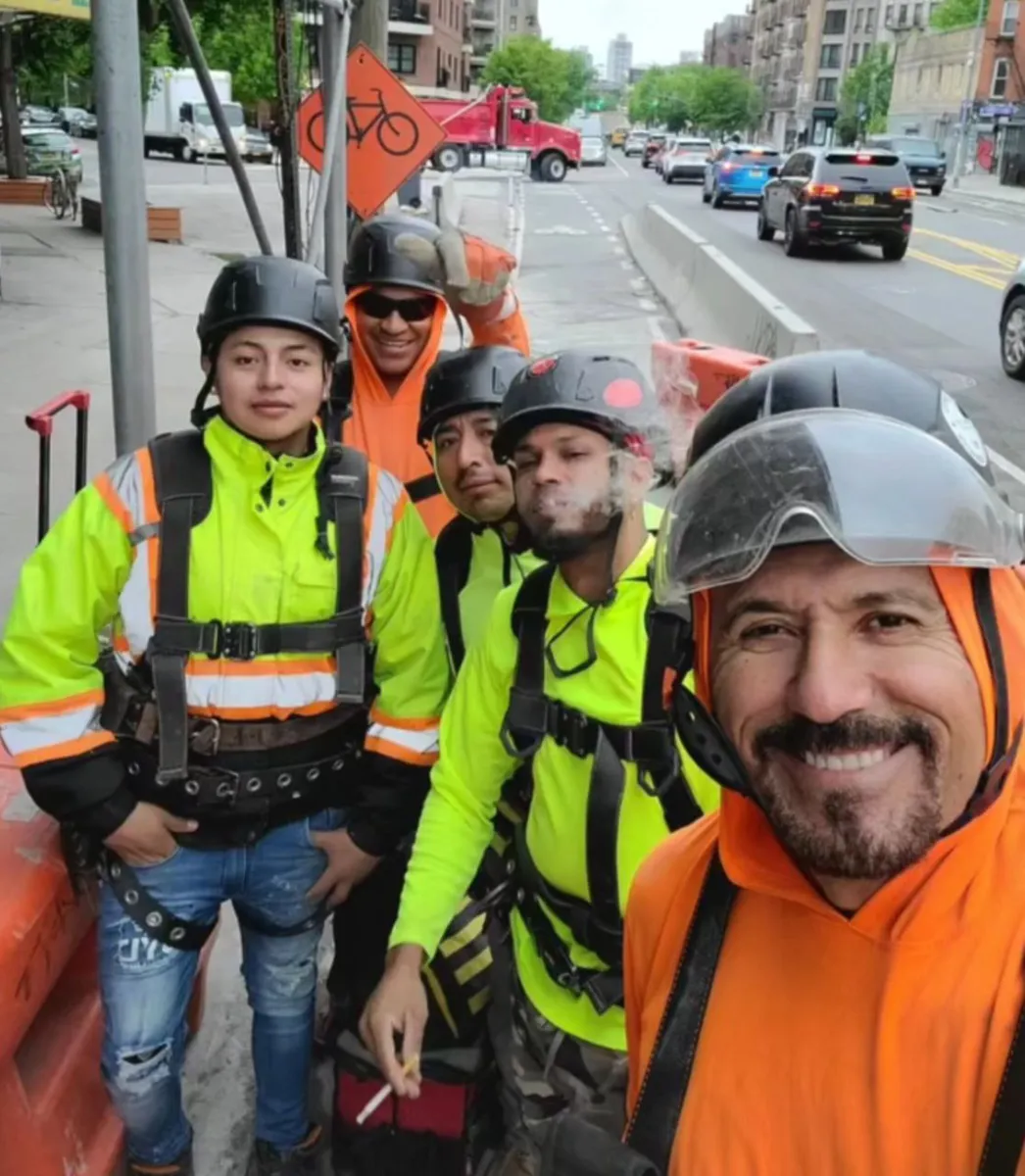
Scaffolding is one of the foundations of the construction industry. Yet the people who build, maintain and dismantle scaffolding often feel that their voices are missing from the wider conversation.
Through The Voices of Scaffolders, an initiative by ScaffDigital, we have been collecting comments, experiences and opinions shared by scaffolders across social media. These are not formal surveys or industry reports. They are real conversations from people working in the trade, reflecting what they experience, what they believe and what concerns them about the future.
A number of recurring themes have emerged.
1. Pay, Responsibility and Recognition
One of the strongest recurring concerns is the relationship between pay and the demands of the job.
Experienced scaffolders describe years of physical work, qualifications, additional tickets and significant responsibility, yet still feel that their earnings do not reflect their contribution.
Some believe scaffolding remains undervalued compared with other construction trades, particularly when considering the risks, skill and physical demands involved.
The issue is not simply about money. It is also about recognition, respect and whether the industry properly values the people who make construction work possible.
2. The Physical Cost of a Scaffolding Career
Scaffolding is physically demanding work, and its impact can accumulate over many years.
Scaffolders frequently mention problems with their backs, shoulders, knees, elbows and joints. Long working days, heavy materials, repetitive movements and difficult weather conditions can take a serious toll.
Some former scaffolders describe living with lasting pain and joint problems after leaving the trade.
This raises an important question:
How can the industry make a physically demanding career more sustainable for the people doing it?
Mechanisation, better equipment, improved planning and safer material handling could help reduce unnecessary physical strain. However, workers also point out that existing solutions do not always work in confined spaces or every site condition.
3. A Shortage of Skilled Scaffolders — and the Question of the Next Generation
Another recurring concern is the difficulty of attracting and retaining new workers.
Some experienced scaffolders believe fewer young people are willing to enter a trade that involves hard physical work, early starts, difficult conditions and uncertain financial rewards.
But there is another side to the conversation.
Several workers suggest that the problem is not simply a lack of interest in hard work. It may also be a question of whether the conditions, pay and opportunities offered by the industry are attractive enough.
If young people see experienced scaffolders struggling with low pay, physical exhaustion and limited progression, it becomes harder to convince them that scaffolding is a worthwhile long-term career.
The future workforce is not only a recruitment issue. It is also a reflection of the industry's current conditions.
4. Training, Qualifications and Practical Skills
Training and competence are frequently discussed, often with very different opinions.
Some workers question whether qualifications alone adequately prepare people for the realities of the job. Others express concern about declining practical experience, particularly in complex or advanced scaffolding.
Experienced scaffolders emphasise that practical knowledge, judgement and problem-solving skills are developed over time — through working alongside competent people and learning on site.
A qualification may provide a foundation, but it cannot replace experience.
There is also concern about the future of traditional tube-and-fitting skills and the importance of maintaining a strong practical understanding of scaffolding systems.
The challenge is not simply producing more qualified workers. It is developing competent scaffolders who understand the work, the risks and the responsibilities involved.
5. Workload, Safety and Working Conditions
Comments from scaffolders also highlight concerns about workload, staffing levels and pressure on site.
Some describe crews being expected to complete work with fewer people than previously required. Others mention rushed schedules, unrealistic expectations and the pressure to prioritise productivity.
These concerns matter because scaffolding is not just another construction activity. Poor planning, inadequate staffing or unsafe working practices can have consequences for scaffolders and everyone who depends on the structure.
The industry needs to recognise that productivity and safety should not be treated as competing priorities.
Proper planning, sufficient manpower and realistic working conditions are essential to both.
6. Losing Experience — and the Knowledge That Comes With It
One of the less visible challenges is the loss of experienced scaffolders.
When experienced workers leave the trade because of physical limitations, retirement or dissatisfaction, the industry loses more than labour.
It also loses years of practical knowledge, judgement, problem-solving ability and understanding of complex scaffolding work.
Several voices suggest that experienced scaffolders should have opportunities to move into mentoring, supervision, planning or technical roles rather than simply leaving the industry when heavy physical work becomes difficult.
Keeping experienced people involved could help support the next generation and preserve valuable knowledge.
7. There Is Still Pride in the Trade
Despite the criticism and challenges, the conversations are not entirely negative.
Many scaffolders express genuine pride in their work.
They talk about complex structures, advanced scaffolding, temporary roofs, challenging projects and the satisfaction of solving problems that others cannot.
Some describe travelling for work, learning new skills, developing their careers and building strong relationships with their crews.
For experienced scaffolders, the trade can offer a sense of achievement, independence and professional identity.
This matters because the industry is not defined only by its problems.
It is also defined by the people who take pride in doing difficult work well.
8. What These Voices Tell Us About the Future
These conversations do not represent every scaffolder, every country or every company. They are a collection of individual experiences and opinions.
However, the repetition of certain themes deserves attention.
Pay and recognition. Physical sustainability. Training and competence. Recruitment and retention. Safety and workload. The future of practical skills.
These are not isolated conversations about individual frustrations. They raise broader questions about how the scaffolding industry values its workforce and prepares for the future.
If the industry wants to attract the next generation, it must also consider the experiences of the people already working in it.
If it wants to maintain high standards, it must invest in practical skills and experience.
And if it wants to retain its knowledge, it must find ways to value experienced scaffolders throughout their careers.
The Voices of Scaffolders: The Conversation Continues
The Voices of Scaffolders is an ongoing initiative by ScaffDigital to collect, share and explore the real experiences of scaffolders around the world.
Our aim is not to speak on behalf of the industry, but to create a space where the people within it can be heard.
Because understanding the future of scaffolding starts with listening to the people who build it.
This journey continues. And this is only the beginning.
ScaffDigital — Connecting the Scaffolding Industry Through Knowledge, Experience and Conversation.

💬 نظرات کاربران
اولین نفری باشید که نظر میدهد.